
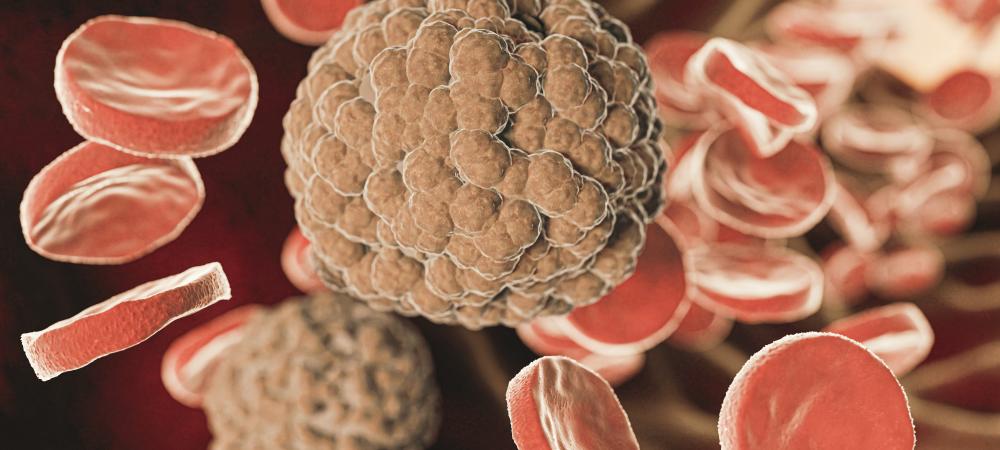
How Does Blood Cancer Develop?
Blood cancer, also known as hematologic cancer, affects how blood cells develop and function. It starts in the bone marrow, which makes blood cells, or the lymphatic system. Understanding how blood cancer develops can help with early detection and treatment.
Types of blood cancer
There are three main types of blood cancer:
- Leukemia: Affects white blood cells, causing abnormal cell production.
- Lymphoma: Affects the lymphatic system as a whole as well as lymphocytes, a subset of white blood cells.
- Myeloma: Affects bone marrow plasma cells, compromising immune response.
What Causes Blood Cancer to Start?
Blood cancer develops as a result of DNA mutations in blood cells. These mutations cause blood cells to grow out of control and interfere with their normal functions.
Crucial Stages in the Development of Blood Cancer:
- Mutations in Genes: Normal cell division and growth are disrupted by DNA changes.
- Unchecked growth of cells: Healthy blood cells are displaced by the fast proliferation of mutant cells.
- The disturbance of bone marrow: Normal platelets, white blood cells, and red blood cells are not produced by cancer cells.
- Proliferate to Other Tissues: Malignant cells can occasionally spread to other organs by entering the bloodstream or lymphatic system.
Risk Factors
Blood cancer risk may be increased by a number of factors, such as:
- Predisposition in genetics
- Radiation exposure or exposure to specific chemicals (such as benzene)
- Viral infections, such as Epstein-Barr virus
- Immune system dysfunction
- Prior radiation or chemotherapy sessions
Early Signs & Symptoms
- Weakness and exhaustion.
- Infections occurring frequently
- Weight loss that cannot be explained
- Simple blood loss or bruises
- Increased lymph node sizes
- Bone ache
Diagnosis & Treatment
Imaging scans, bone marrow biopsies, and blood tests are used to diagnose blood cancer. Options for treatment include:
- Chemotherapy - uses medications to kill cancer cells.
- Radiation Treatment - uses high-energy rays to target cancerous cells. Immunotherapy - strengthens the body's defences against cancer.
- Immunotherapy - strengthens the body's defences against cancer.
- Transplanting stem cells - provides healthy stem cells to replace diseased bone marrow.
Conclusion
Genetic mutations that result in aberrant cell growth are the cause of blood cancer. Results can be enhanced by early detection and cutting-edge therapies. For a proper evaluation, see a doctor if your symptoms are persistent.
