
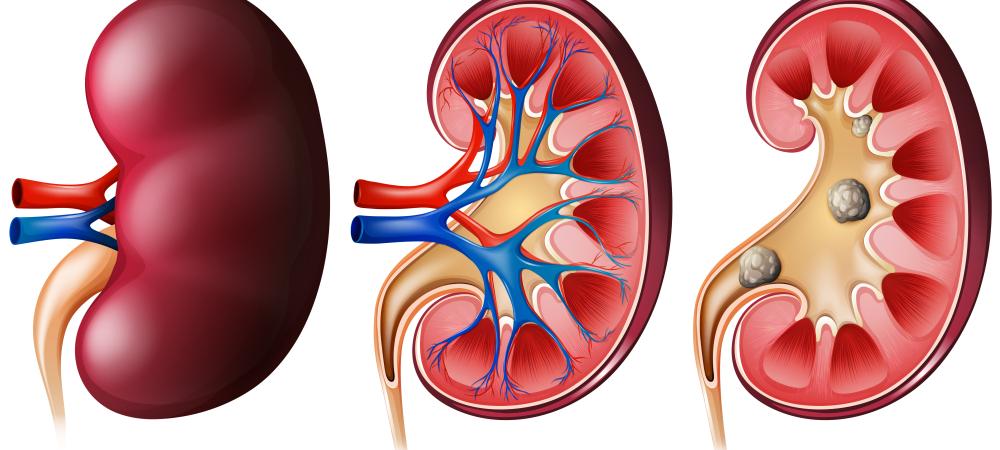
Signs Your Kidneys Might Be in Trouble
Maintaining fluid balance, controlling blood pressure, and filtering waste all depend on your kidneys. Toxins can accumulate in the body and cause major health problems when organs fail. Unfortunately, kidney issues often go unnoticed until serious harm has been done.
Knowing the early warning symptoms will help you get medical help before the illness gets worse. These are some indicators that something may be wrong with your kidneys.
1. Fatigue and Weakness
Erythropoietin (EPO), a hormone that aids in the production of healthier red blood cells, is produced by healthy kidneys. EPO production decreases with declining kidney function, resulting in anemia (low red blood cell count). It could result in:
- Extreme fatigue
- Lightheadedness
- Having trouble focusing
Why it occurs: Your muscles and brain receive less oxygen when your red blood cells are reduced.
2. Edema (hand, foot, or face swelling)
Your kidneys aid in eliminating extra fluid and sodium from your body. Fluid accumulates when they malfunction, leading to:
- Puffiness, particularly in the morning, around the eyes
- Hands, feet, or ankles that swell
- Unexpected weight increase due to fluid retention
Why it occurs: Edema results from damaged kidneys' inability to adequately filter fluids.
3. Changes in Urination
Your urine can reveal a lot about kidney health. Watch for:
- Foamy urine (excess protein, a sign of kidney damage)
- Blood in urine (hematuria, indicating infection or kidney stones)
- Frequent urination at night (nocturia)
- Difficulty urinating or reduced urine output
Why it happens: Damaged kidney filters leak protein or blood into urine, and impaired function affects urine production.
4. Dry skin and ongoing itching
Waste accumulates in the blood when kidneys fail, which can result in:
- Intense itching, even in the absence of a rash
- Skin that is flaky and dry
- A metallic aftertaste
Why it occurs: Skin irritation is brought on by high blood phosphorus and pollutants.
5. Hypertension
By producing hormones and maintaining fluid balance, kidneys aid in blood pressure regulation. Damage to them may cause blood pressure to rise, which might result in:
- Headaches
- Breathlessness
- Vision blur
Why it occurs: A deadly loop is created when damaged kidneys are unable to adequately regulate blood pressure, which further destroys the kidneys.
6. Nausea, Vomiting, and Loss of Appetite
A buildup of waste products (uremia) can cause:
- Constant nausea
- Unexplained vomiting
- Metallic taste in the mouth
- Loss of appetite
Why it happens: Toxins accumulate in the bloodstream, affecting digestion.
7. Shortness of Breath
Kidney failure can lead to:
- Fluid buildup in the lungs (pulmonary edema)
- Anemia reducing oxygen supply
Why it happens: Excess fluid and low red blood cells make breathing difficult.
8. Muscle Cramps and Weakness
Electrolyte imbalances (low calcium, high potassium) due to kidney dysfunction can cause:
- Painful muscle cramps
- Numbness or tingling
- Weakness
Why it happens: Kidneys regulate minerals like calcium and potassium; imbalance affects nerve and muscle function.
Knowing When to See a Physician
If you have two or more of these symptoms on a regular basis, see a doctor. Early identification can help avoid chronic kidney disease (CKD) and renal failure.
Procedures to Assess Kidney Health:
- Blood test (GFR, serum creatinine): Assesses renal function.
- Urine test (Albumin-to-Creatine Ratio): Looks for leaks of proteins.
- CT scan and ultrasound: Detects kidney stones or structural problems.
How Your Kidneys Are Protected
- Keep yourself hydrated, but not too much.
- Manage blood pressure and diabetes (primary causes of kidney damage).
- Avoid too much protein, processed meals, and salt.
- Avert NSAIDs (such as ibuprofen) as they may cause kidney damage.
- Consider regular check-ups if you have risk factors.
Last Remarks
Listening to your body is essential since kidney illness sometimes advances silently. Don't disregard any of these warning symptoms; taking quick action might save your kidneys!
