
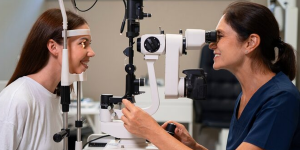
By inserting a biocompatible lens into the eye, usually between the iris and native lens, ICL surgery (Implantable Collamer Lens) corrects eyesight. It is appropriate for patients with thin corneas or high prescriptions because, in contrast to LASIK, it does not remove corneal tissue.
Read More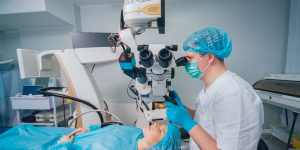
In a corneal transplant (keratoplasty), healthy donor tissue is used to replace all or a portion of a diseased or damaged cornea. The purpose of the procedure is to treat severe corneal conditions, lessen pain, or restore vision.
Read More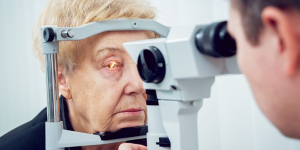
A class of eye disorders known as glaucoma harms the optic nerve, frequently as a result of elevated intraocular pressure (IOP). If treatment is not received, it is one of the main causes of irreversible blindness.
Read More
Vision impairment and blurriness are caused by a cataract, which clouds the eye's natural lens. It is primarily brought on by age and occurs gradually, but it can also be triggered by trauma, diabetes, or prolonged exposure to ultraviolet light.
Read More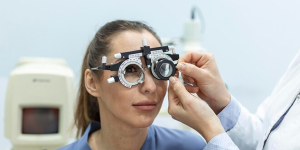
A vitrectomy is a surgical technique used to treat a variety of retinal and vitreous problems by removing the vitreous gel, the transparent, jelly-like material inside the eye.
Read More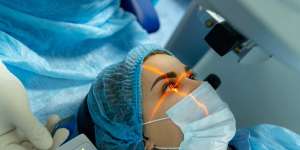
A laser is used to reshape the cornea in the popular refractive eye surgery known as LASIK (Laser-Assisted In Situ Keratomileusis) in order to correct eyesight. As a result, less or no contact lenses and glasses are required.
Read More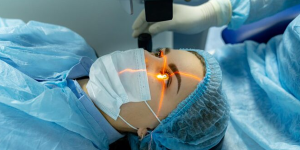
By using a laser to reshape the cornea the transparent front portion of the eye laser eye surgery, also known as refractive surgery, can address visual issues. The need for glasses or contact lenses is lessened or eliminated.
Read More
Most Popular Treatment Destinations
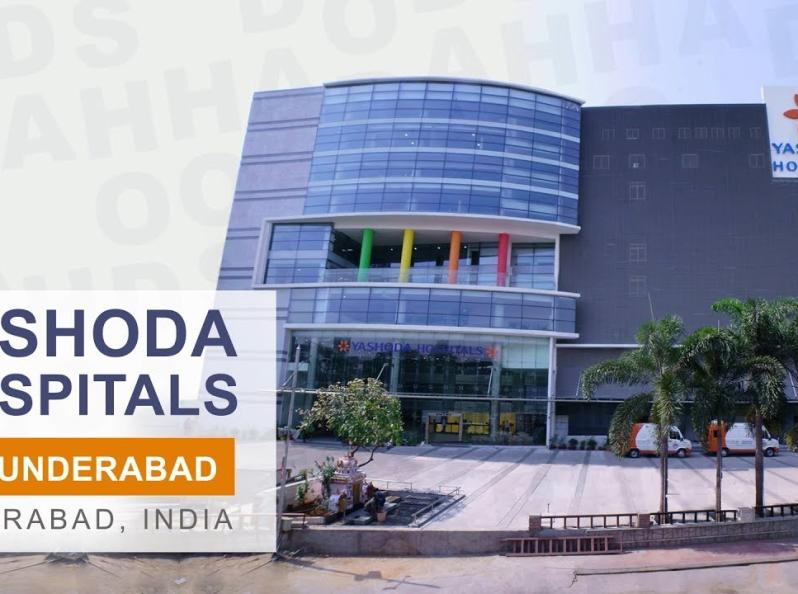
Yashoda Hospitals, Secunderabad, established in 1989, is a premier multi-specialty healthcare institution located in Hyderabad, India. With a capacity of 721 beds, the hospital is dedicated to providing...
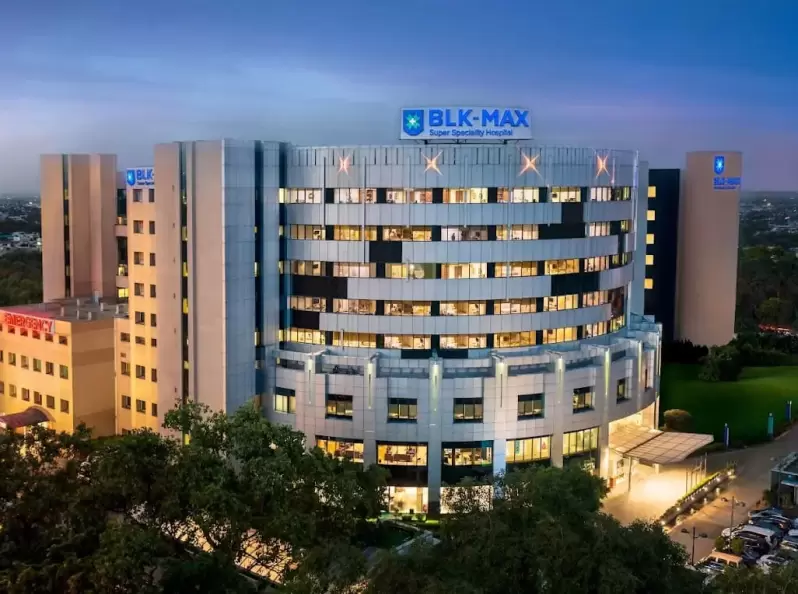
BLK-Max Super Speciality Hospital is one of India’s leading healthcare institutions, located in Pusa Road, Rajendra Place, New Delhi-110005. Established in 1959 by the renowned obstetrician and gynecologist
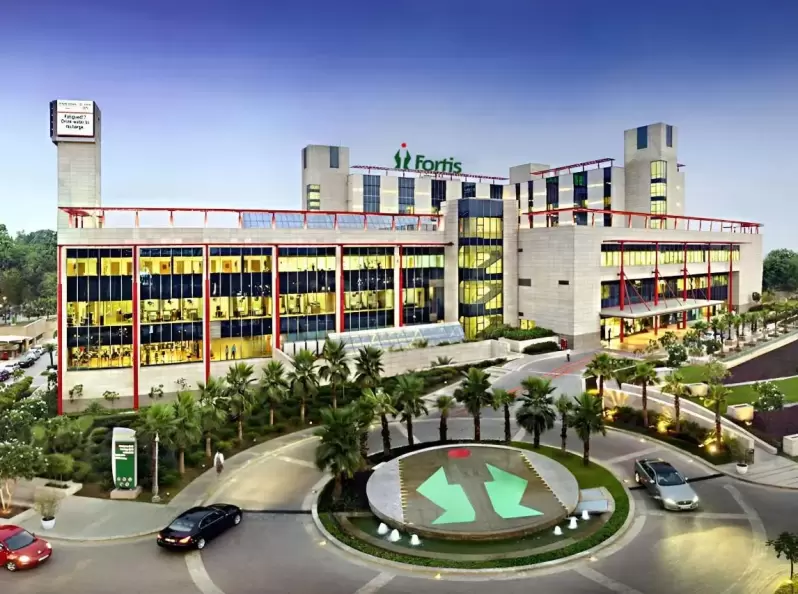
Fortis Memorial Research Institute (FMRI), established in 2013, is a leading multi-super specialty, quaternary care hospital located in Gurgaon, India. Known as the “Next Generation Hospital,” FMRI is renowned
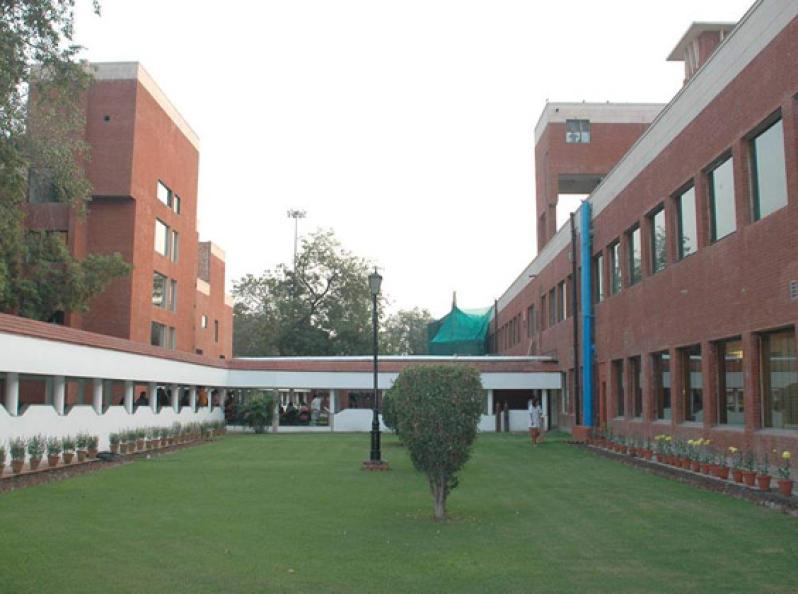
Moolchand Hospital, also known as Moolchand Kharaiti Ram Hospital, is one of the oldest and most trusted healthcare institutions in India. Established in 1957, it is located in the bustling neighborhood of Lajpat Nagar in South Delhi. Over the decades
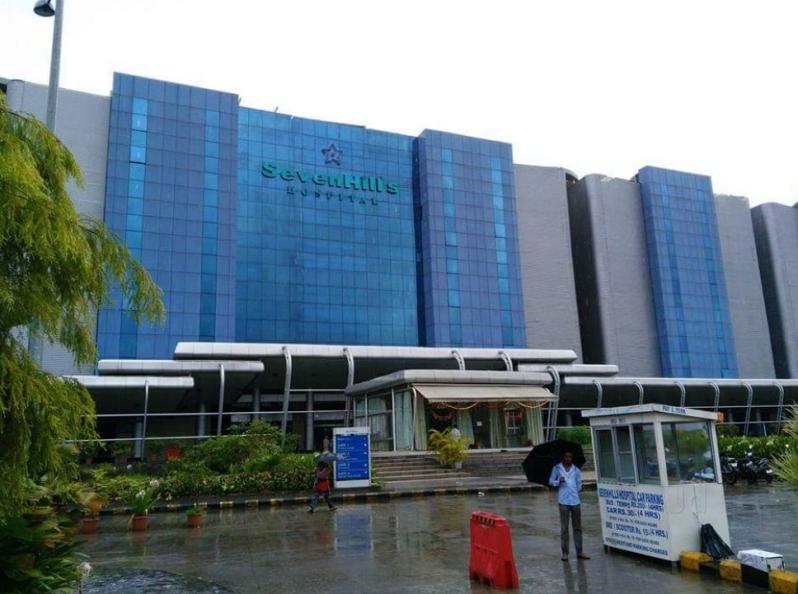
Established in 2010, SevenHills Hospital in Mumbai is a premier healthcare institution offering comprehensive medical services across various specialties. Spanning 17 acres with a built-up area of 2 million square feet
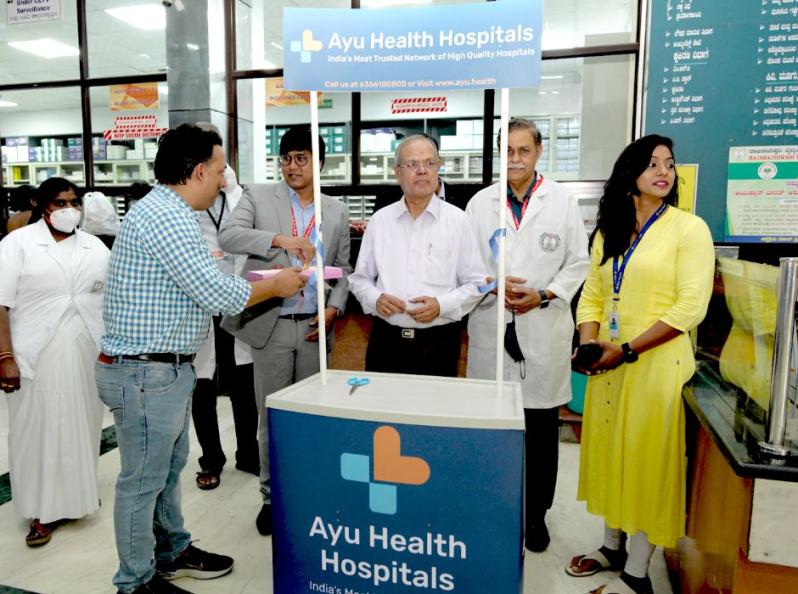
Ayu Health was founded in early 2020 with the goal of establishing a trusted hospital chain that prioritizes high quality care, transparency in pricing, and exceptional patient experiences. The company began with one hospital in Chandigarh...
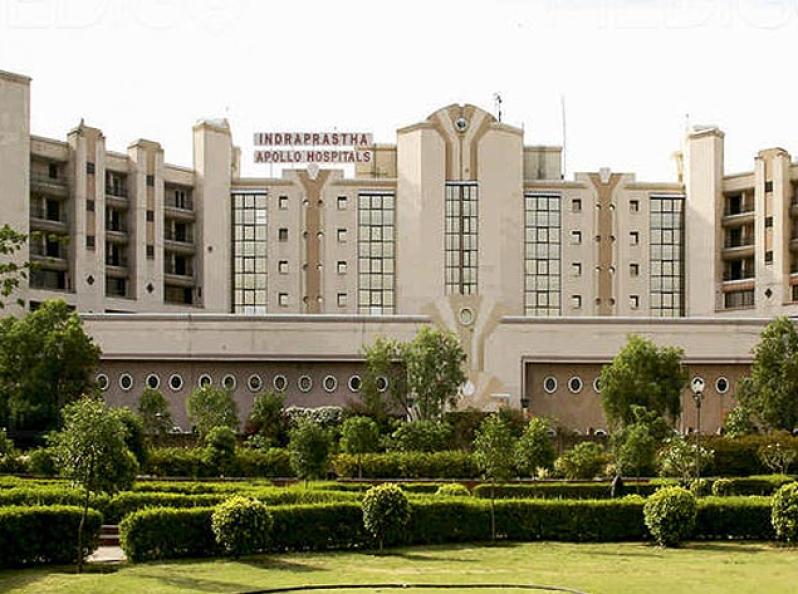
Indraprastha Apollo Hospitals, New Delhi is a multi-specialty tertiary acute care hospital with 710 beds and one of the most sought after destinations in Asia for healthcare.
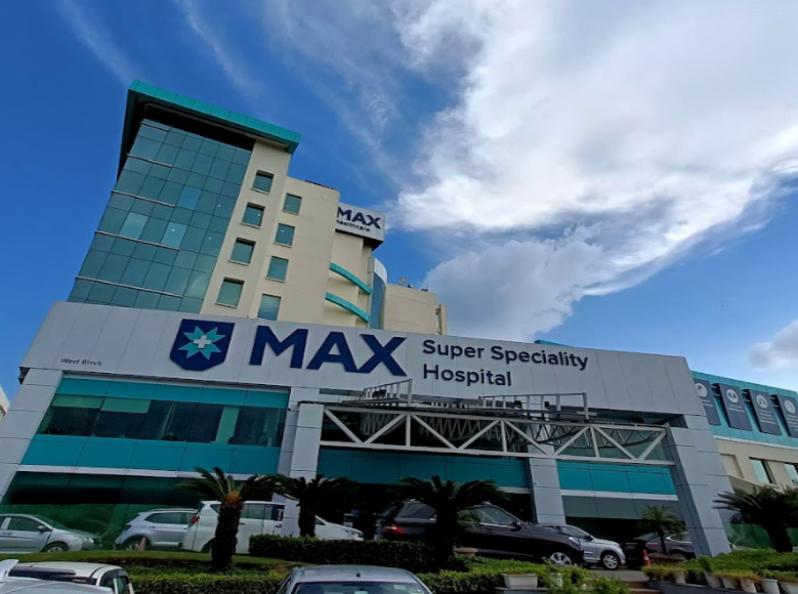
Max Super Speciality Hospital is one of the topmost multi-specialty hospital in capital city Delhi. The hospital is having more than 500+ bedded facility offers treatment across all medical disciplines
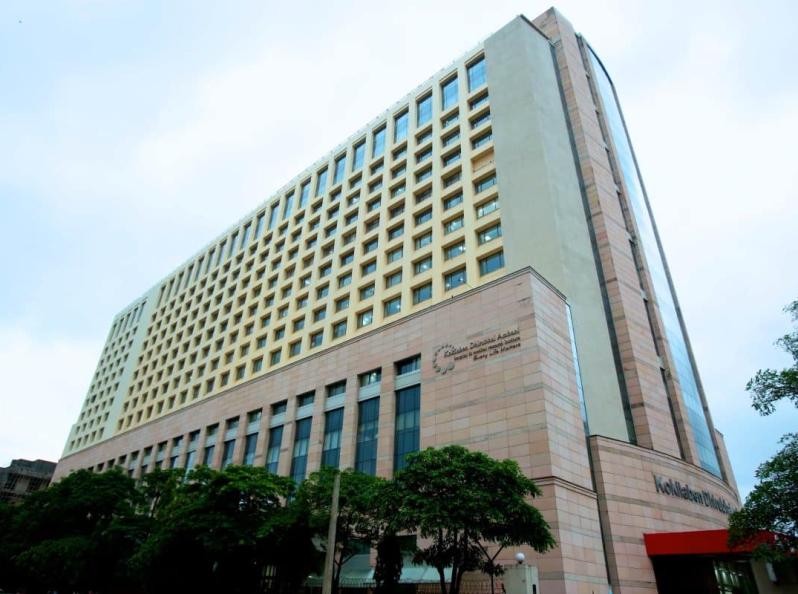
Kokilaben Dhirubhai Ambani Hospital & Medical Research Institute (KDAH) is a premier multi-specialty healthcare facility located in Andheri West, Mumbai, India. Established in 2009, it is named after Kokilaben Ambani
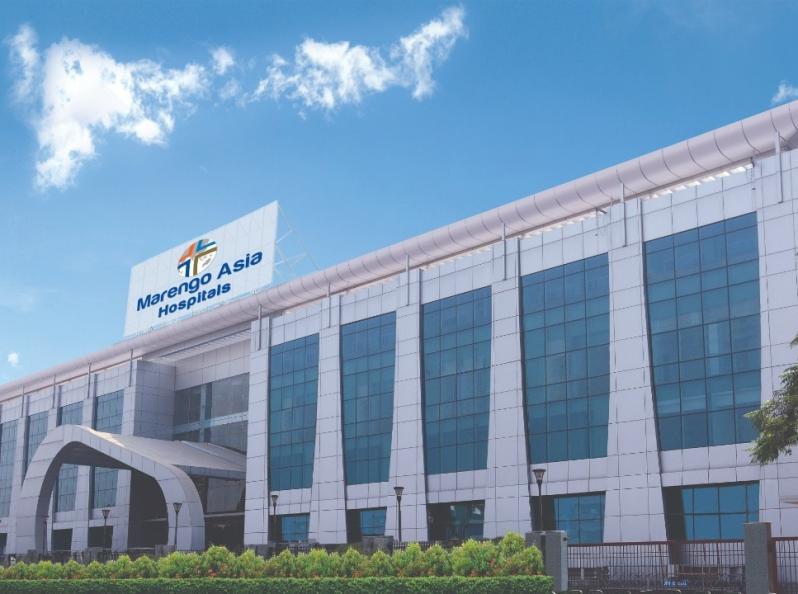
Marengo Asia Hospital, Faridabad, formerly known as QRG Health City, is one of the leading multi-super specialty hospitals in India, located in the bustling city of Faridabad, Haryana. Established in 2007
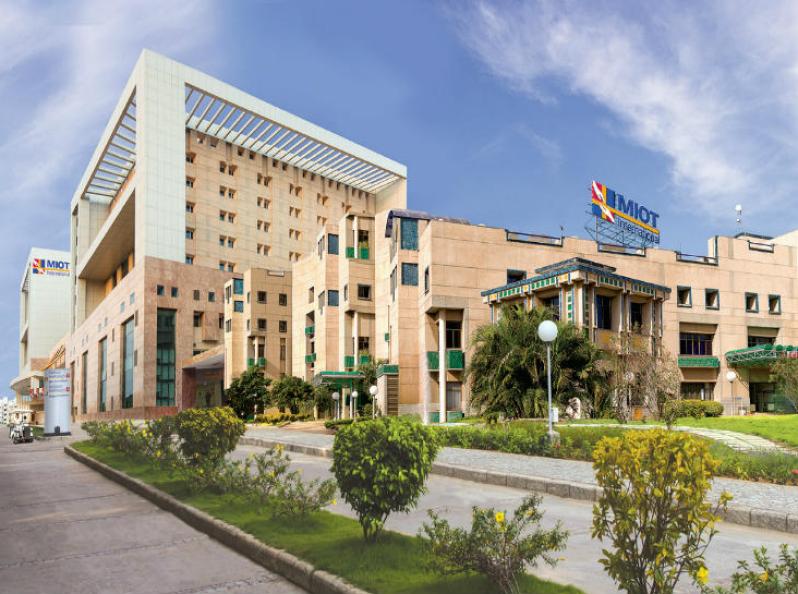
MIOT International (Madras Institute of Orthopedics and Traumatology) is a premier multi-specialty hospital in Chennai, India, established in 1999. Renowned for its state-of-the-art infrastructure and advanced medical care
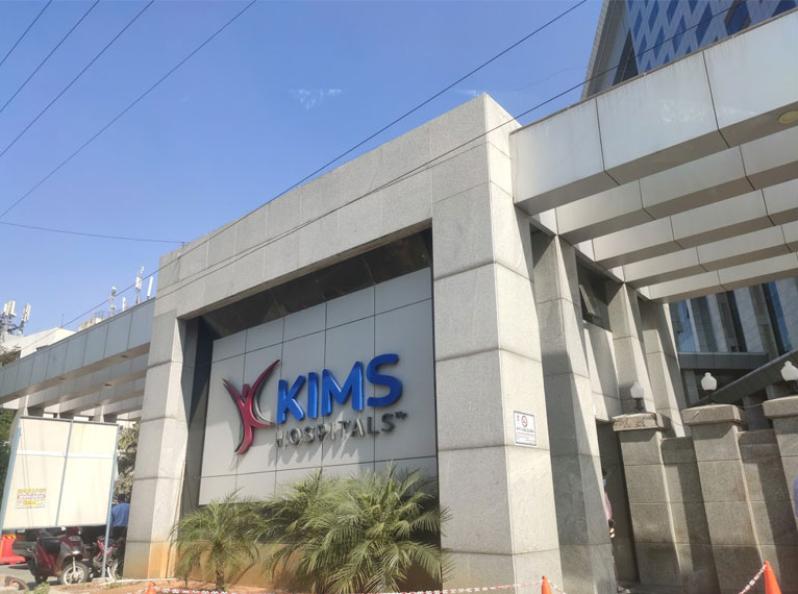
One of the largest corporate healthcare groups in AP and Telangana in terms of number of patients treated and treatments offered, according to the CRISIL Report. We provide multi-disciplinary integrated healthcare services