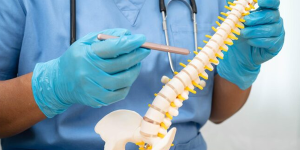

Numerous disorders involving the vertebrae, discs, nerves, or spinal cord are treated by spine surgery. When non-surgical therapies (physical therapy, drugs, and injections) are unable to alleviate symptoms, it is usually taken into consideration.
Read More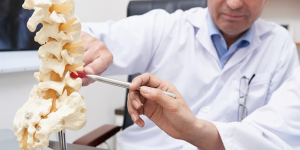
By joining the first sacral vertebra (S1) with the fourth and fifth lumbar vertebrae (L4-L5), a surgical operation known as L4-L5-S1 fusion stabilizes the lower spine. This is done to alleviate persistent pain brought on by nerve compression, degeneration, or instability.
Read More
Lumbar decompression and fixation is a surgical treatment for severe spinal stenosis, herniated discs, spondylolisthesis, or spinal instability that causes nerve compression and chronic pain.
Read More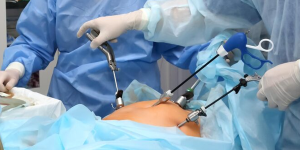
In order to relieve pain and neurological symptoms caused by herniated disc material compressing spinal nerves, endoscopic discectomy is a minimally invasive spine surgery procedure.
Read More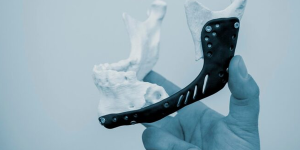
A lumbar fracture refers to a break in one or more vertebrae of the lower spine (L1-L5). These fractures can result from trauma (e.g., falls, car accidents), osteoporosis, or tumors. Severe cases may require surgical stabilization with implants.
Read More
An abnormal development inside or close to the spinal cord or its surrounding structures is called a spinal cord tumour. It can cause discomfort, weakness, or paralysis by compressing nerves, depending on its location and type
Read More
In the lumbar region of the lower back, lumbar decompression surgery is performed to relieve pressure on the spinal cord or spinal nerves. Generally speaking
Read More

Most Popular Treatment Destinations
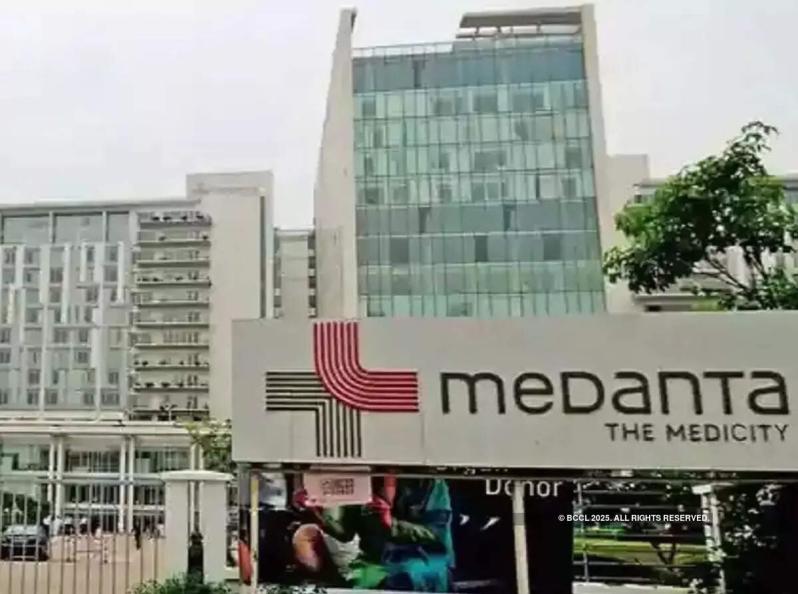
Medanta - The Medicity, established in 2009 by renowned cardiac surgeon Dr. Naresh Trehan, is a leading multi-specialty tertiary care hospital located in Gurugram, Haryana, India. The hospital is accredited by the Joint Commission...
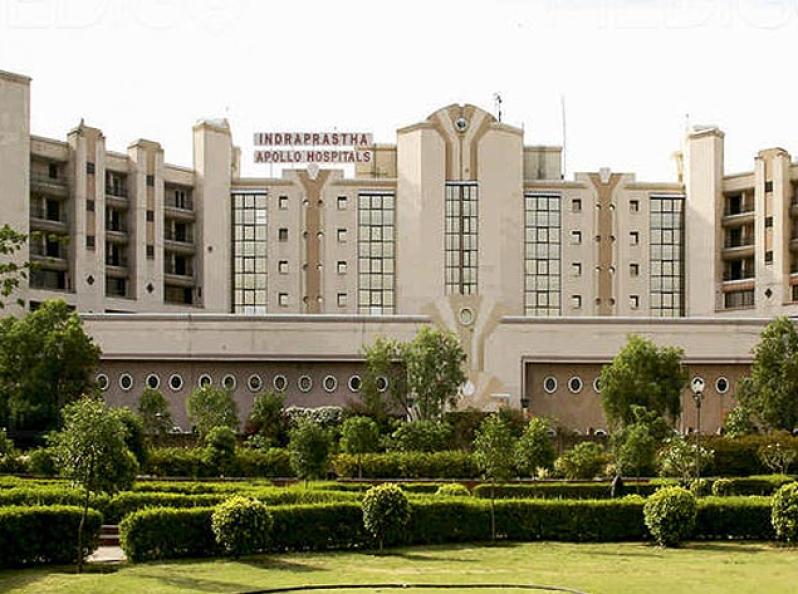
Indraprastha Apollo Hospitals, New Delhi is a multi-specialty tertiary acute care hospital with 710 beds and one of the most sought after destinations in Asia for healthcare.
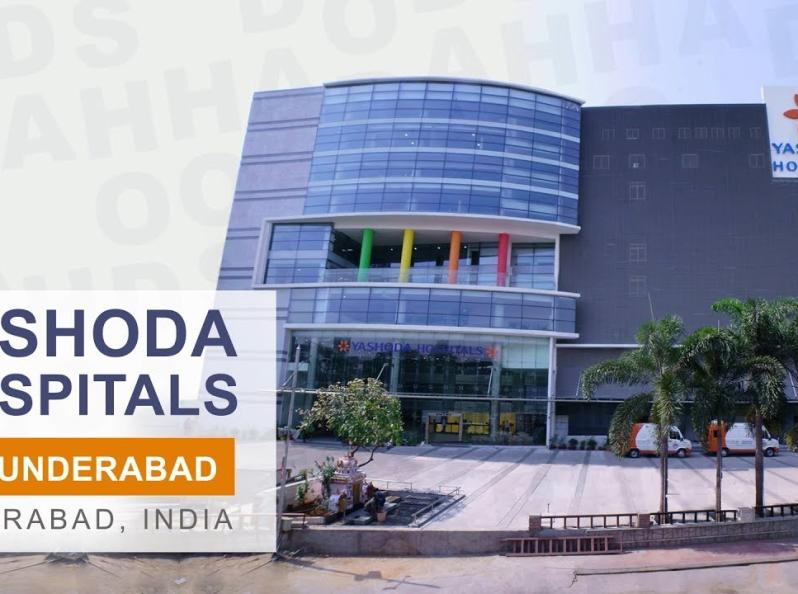
Yashoda Hospitals, Secunderabad, established in 1989, is a premier multi-specialty healthcare institution located in Hyderabad, India. With a capacity of 721 beds, the hospital is dedicated to providing...
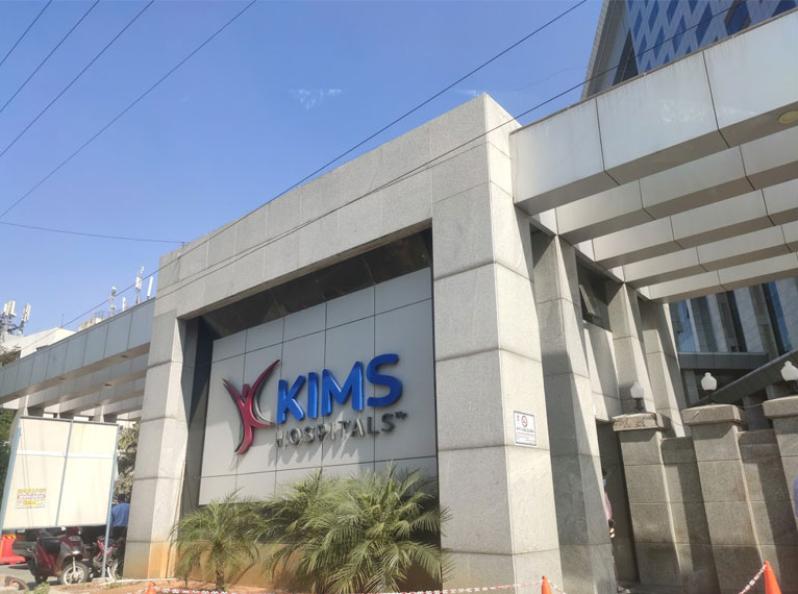
One of the largest corporate healthcare groups in AP and Telangana in terms of number of patients treated and treatments offered, according to the CRISIL Report. We provide multi-disciplinary integrated healthcare services
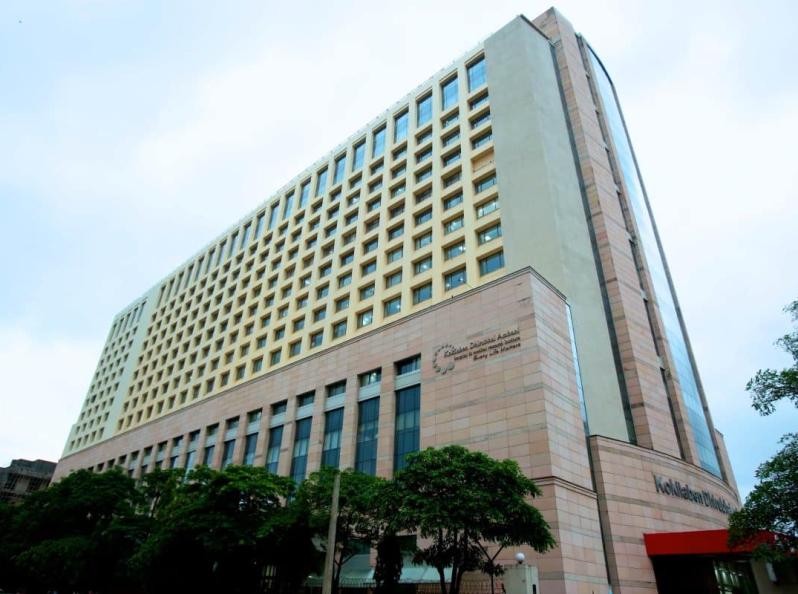
Kokilaben Dhirubhai Ambani Hospital & Medical Research Institute (KDAH) is a premier multi-specialty healthcare facility located in Andheri West, Mumbai, India. Established in 2009, it is named after Kokilaben Ambani
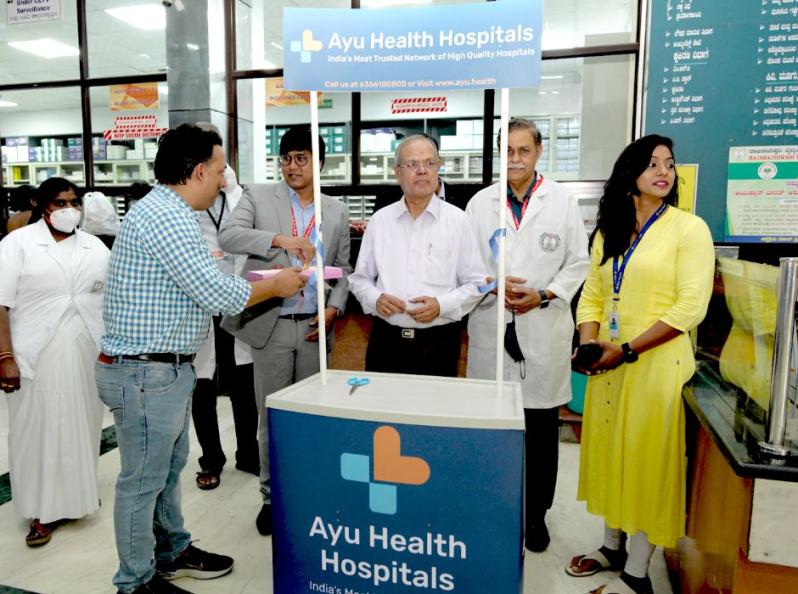
Ayu Health was founded in early 2020 with the goal of establishing a trusted hospital chain that prioritizes high quality care, transparency in pricing, and exceptional patient experiences. The company began with one hospital in Chandigarh...
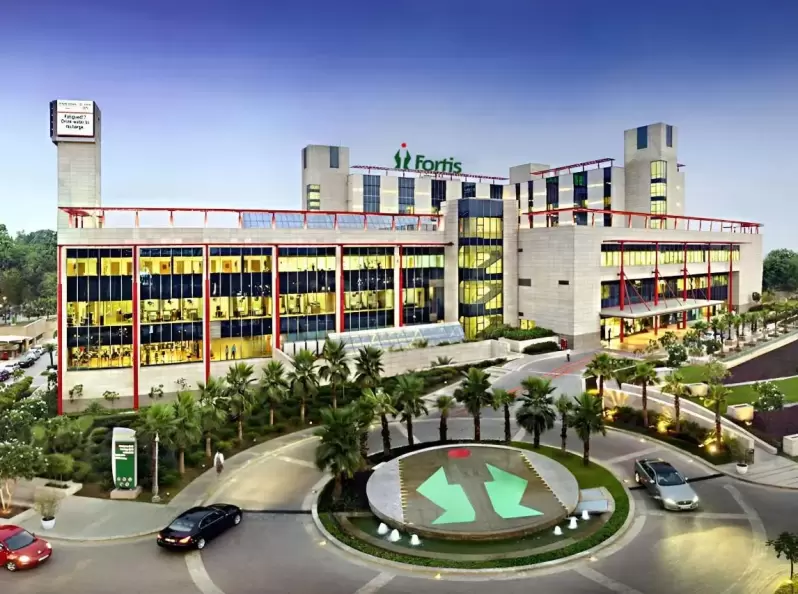
Fortis Memorial Research Institute (FMRI), established in 2013, is a leading multi-super specialty, quaternary care hospital located in Gurgaon, India. Known as the “Next Generation Hospital,” FMRI is renowned
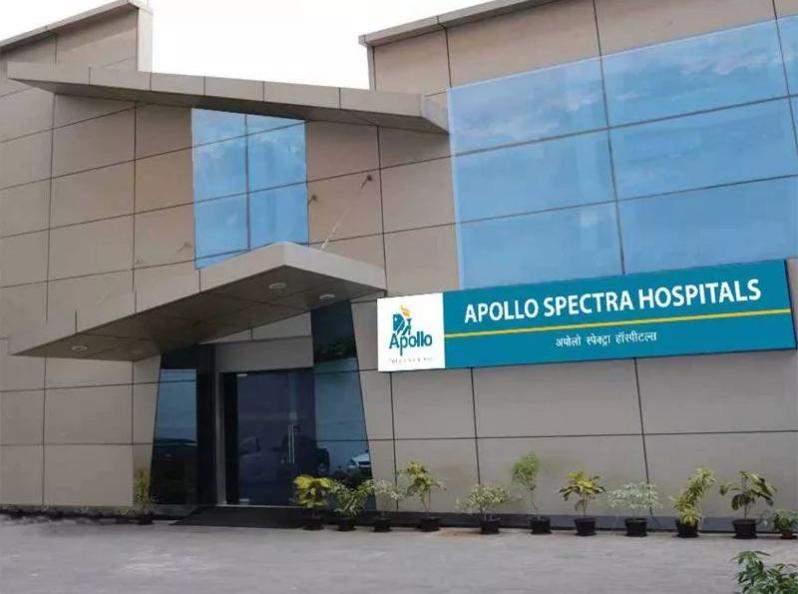
Apollo Spectra Hospitals is a chain of advanced multispecialty centres across India—popular in cities like Hyderabad, Gurugram, Patna, Bengaluru, Chennai, Jaipur, Mumbai, Delhi, Pune, Noida
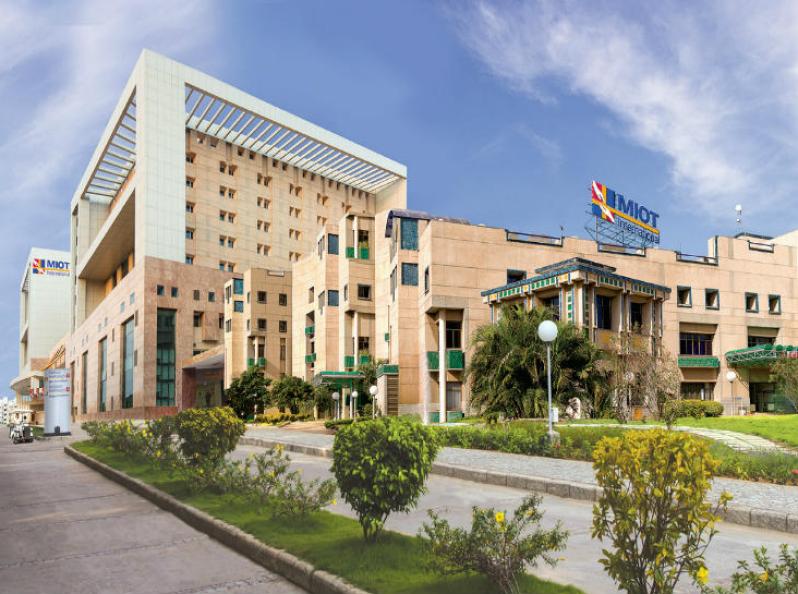
MIOT International (Madras Institute of Orthopedics and Traumatology) is a premier multi-specialty hospital in Chennai, India, established in 1999. Renowned for its state-of-the-art infrastructure and advanced medical care
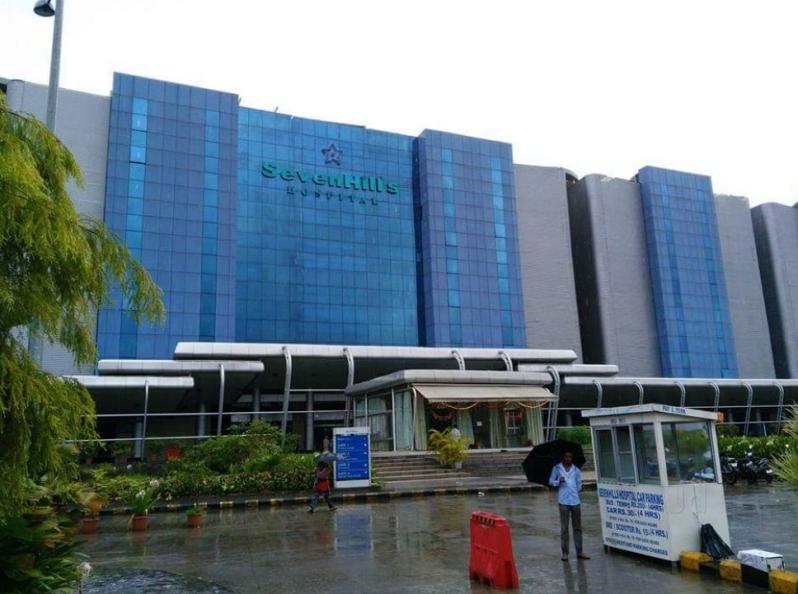
Established in 2010, SevenHills Hospital in Mumbai is a premier healthcare institution offering comprehensive medical services across various specialties. Spanning 17 acres with a built-up area of 2 million square feet
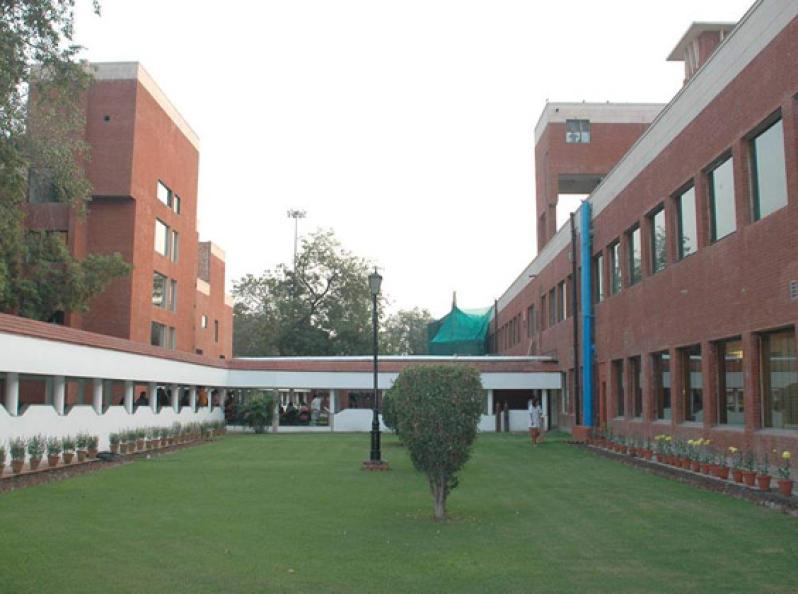
Moolchand Hospital, also known as Moolchand Kharaiti Ram Hospital, is one of the oldest and most trusted healthcare institutions in India. Established in 1957, it is located in the bustling neighborhood of Lajpat Nagar in South Delhi. Over the decades
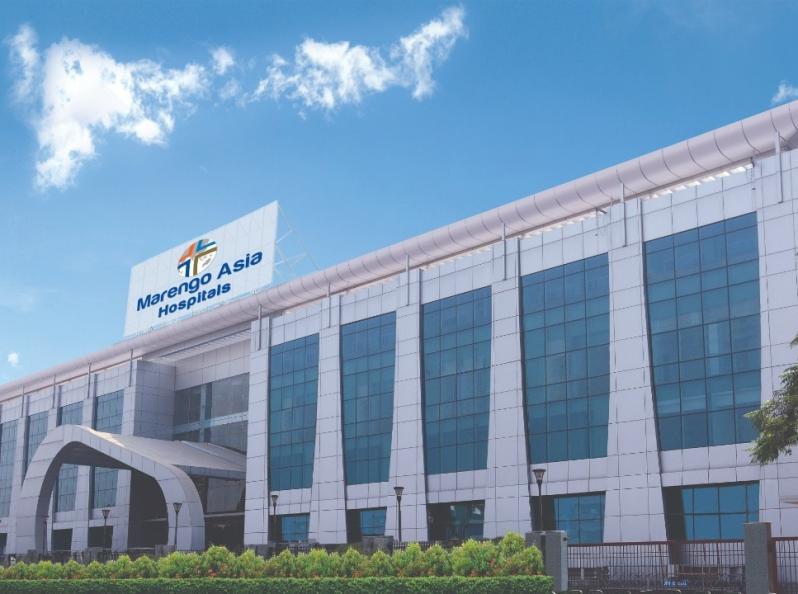
Marengo Asia Hospital, Faridabad, formerly known as QRG Health City, is one of the leading multi-super specialty hospitals in India, located in the bustling city of Faridabad, Haryana. Established in 2007