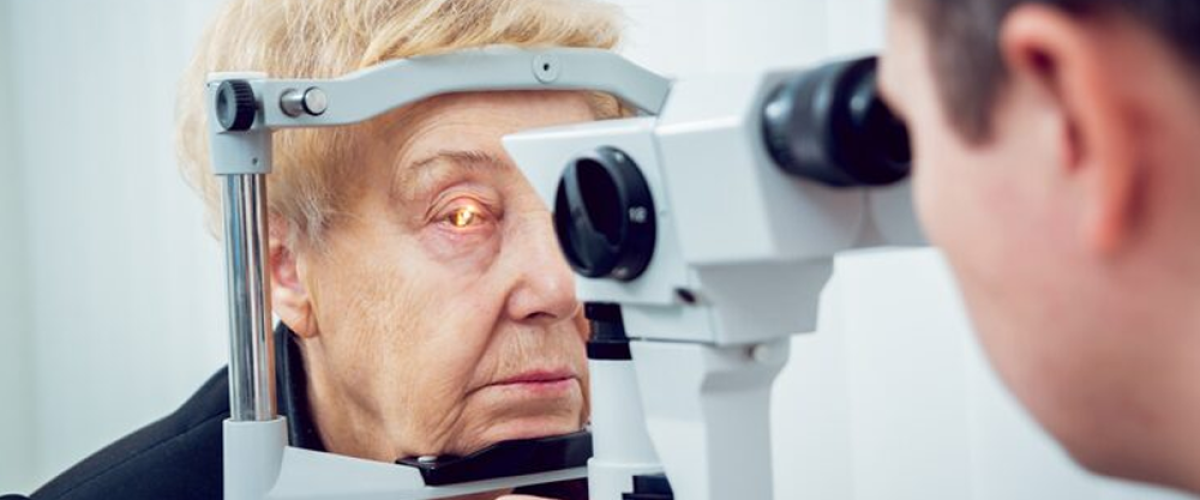
A class of eye disorders known as glaucoma harms the optic nerve, frequently as a result of elevated intraocular pressure (IOP). If treatment is not received, it is one of the main causes of irreversible blindness.
Types of Glaucoma
1. Primary Open-Angle Glaucoma (POAG)
- Most typical (90 percent of cases).
- Progressive, painless loss of vision (initially peripheral vision).
- A result of blocked drainage canals, which raises IOP.
2. Acute Glaucoma with Angle-Closure
- Abrupt jump in IOP resulting in a medical emergency.
- Severe headache, nausea, blurred vision, halos around lights, and eye pain are some of the symptoms.
- Requires treatment right away in order to avoid blindness.
3. Normal-tension eye disease
- Injury to optic nerves even when IOP is normal.
- Associated with insufficient blood supply to the optic nerve.
4. Glaucoma II
- Caused by additional factors (e.g., steroids, trauma, diabetes).
5. Glaucoma congenital
- Cloudy eyes, sensitivity to light, and excessive tears are rare but present from birth.
Symptoms of Glaucoma
- Early Stages (Often No Symptoms – "Silent Thief of Sight")
- Gradual loss of peripheral (side) vision.
- Mild eye discomfort or headache.
- Advanced Stages
- Tunnel vision (narrowed field of view).
- Blurred vision, halos around lights.
- Severe eye pain (in angle-closure glaucoma).