
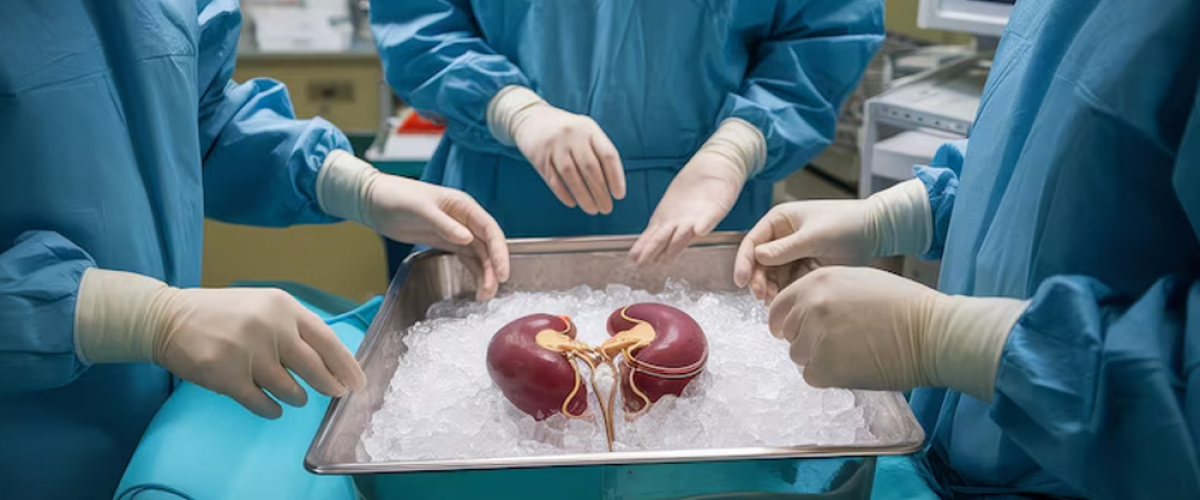
Hepatectomy is a surgical surgery in which part of the liver is removed. It is usually used when the liver has been impacted by diseases like tumours, metastatic cancer, or other localized liver disorders. If a part of the liver needs to be removed because of complications such liver cancer, which frequently develops in the later stages of liver cirrhosis, a hepatectomy may be necessary.
Important Hepatectomy Factors for Liver Cirrhosis:
Purpose: of a hepatectomy is to treat consequences from cirrhosis, especially liver cancer, even though it is not a cure for cirrhosis per se.
Procedure: is to remove a portion of the liver surgically. If enough of the remaining liver is healthy, a sizable portion can be safely removed because the liver has the unusual capacity to regenerate. The location, size, and condition of the tumour or damaged tissue, as well as the liver, all affect how much is removed.
Techniques: Less invasive methods like laparoscopic surgery, which requires fewer incisions and usually has a faster recovery period, or conventional open surgery can be used to do a hepatectomy.
Recovery: Recovery from surgery might vary greatly. Among these include the extent of the surgery, the general health of the patient, and the function of the remaining liver. Hospital stays can range from a few days to a week, and it takes several months to fully recover.
Risks and Considerations: associated with hepatectomy include bleeding, infection, and liver-related problems. Given that cirrhotic patients have a damaged liver, careful pre-operative examination and post-operative monitoring are essential.
Patients with cirrhosis must carefully consider the advantages of excising diseased tissue against the possibility of decreased liver function after the procedure. Usually, a group of experts in cancer, surgery, and liver disease coordinate this process.